Securing a scholarship for a doctoral degree in education is often the most decisive factor in turning a research‑driven career dream into reality, and the fastest route is to target funding sources that align directly with your academic interests and professional goals. By focusing on programs that prioritize educational innovation, policy impact, and evidence‑based practice, you can tap into a growing pool of fellowships, graduate education grants, and research assistantships that cover tuition, living expenses, and even conference travel.
Why Doctoral Funding Matters More Than Ever in 2026
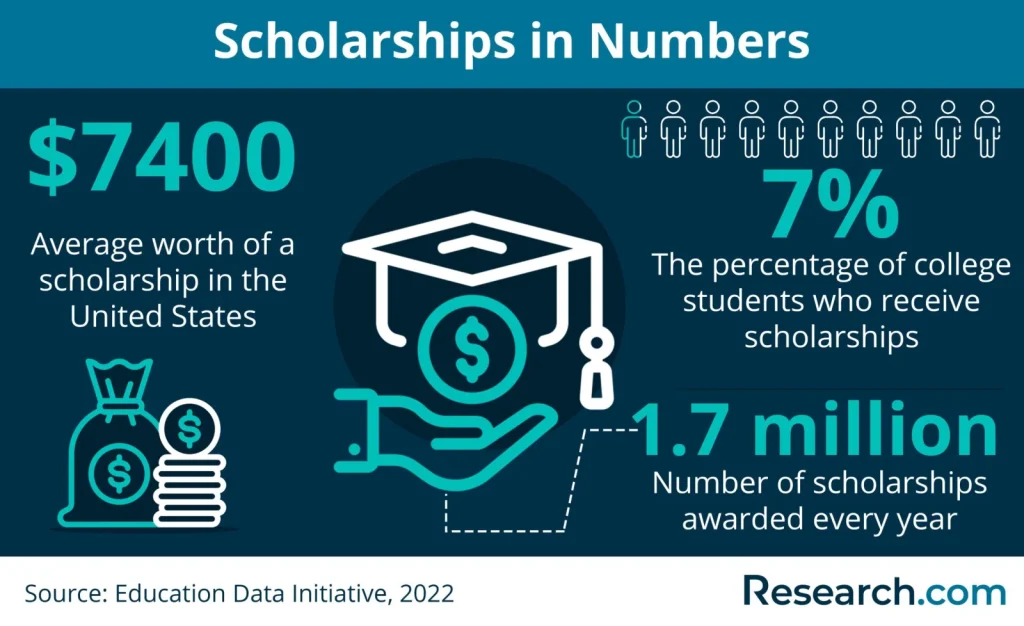
According to the U.S. Department of Education’s 2026 report, enrollment in education PhD programs has risen by 12 % over the past three years, yet only 38 % of doctoral candidates receive full tuition waivers or stipends. This funding gap means many promising scholars either postpone their studies or accumulate substantial debt. Moreover, the National Center for Education Statistics (NCES) highlighted that doctoral graduates with funded research experience earn on average 18 % higher salaries within five years compared to unfunded peers. These figures underscore why identifying the right scholarship is not just a financial decision—it’s a career‑building strategy.
Top Categories of Scholarships for Education Doctorates
1. Federal and State Fellowships
Federal initiatives remain the backbone of doctoral financing. The U.S. Department of Education’s Graduate Assistance in Areas of National Need (GAANN) program continues to award up to $25,000 per academic year, with an additional $5,000 research allowance for those focusing on underserved student populations. Many states mirror this model; for example, the Scholarships for PhD Programs in Education 2026 guide notes that California’s CalTeach Fellowship now includes a $30,000 stipend for education scholars tackling equity issues.
Table of Contents
- Why Doctoral Funding Matters More Than Ever in 2026
- Top Categories of Scholarships for Education Doctorates
- 1. Federal and State Fellowships
- 2. Institutional Scholarships and Assistantships
- 3. Private Foundations and Non‑Profit Grants
- 4. International and Multinational Opportunities
- How to Build a Winning Scholarship Application
- Step 1: Define a Precise Research Question
- Step 2: Tailor Your Personal Statement to Each Funding Source
- Step 3: Secure Strong Letters of Recommendation
- Step 4: Demonstrate Financial Need (When Applicable)
- Step 5: Proofread, Polish, and Meet Every Deadline
- Common Pitfalls and How to Avoid Them
- Real‑World Success Stories
- Data‑Driven Outlook for 2026 and Beyond
- Frequently Asked Questions
- What is the average amount awarded by education doctoral scholarships?
- Can international students apply for U.S. education PhD scholarships?
- Do I need to have a master’s degree in education to qualify?
- How long does the application process usually take?
- Are there scholarships that also cover conference attendance?
- Next Steps: Mapping Your Funding Journey
2. Institutional Scholarships and Assistantships
Universities often bundle tuition remission with teaching or research assistantships. Top‑ranked education schools such as the University of Michigan and Vanderbilt offer “Full Doctoral Fellowships” that guarantee a $35,000 annual stipend plus health benefits. These positions usually require a minimum of 10 % teaching load, which not only finances your studies but also hones pedagogical skills essential for future faculty roles.
3. Private Foundations and Non‑Profit Grants
Foundations dedicated to educational improvement—like the Spencer Foundation, the Bill & Melinda Gates Foundation, and the Ford Foundation—provide competitive doctoral scholarships that often target specific research themes such as early childhood education, digital learning, or policy analysis. In 2026, the Spencer Foundation’s Doctoral Research Grants increased its award ceiling to $45,000, reflecting the rising cost of living in major research hubs.
4. International and Multinational Opportunities
For scholars aiming to conduct cross‑cultural research, the Fulbright Doctoral Research Program and the European Union’s Marie Skłodowska‑Curie Actions remain premier options. These grants cover travel, research expenses, and a living stipend that can exceed $40,000 per year, making them ideal for doctoral candidates whose work transcends national borders.
How to Build a Winning Scholarship Application
Step 1: Define a Precise Research Question
Funding committees look for clarity and impact. A well‑crafted research question that aligns with the sponsor’s priorities—such as “How does culturally responsive pedagogy affect graduation rates among Latino students in urban districts?”—demonstrates both scholarly rigor and societal relevance.
Step 2: Tailor Your Personal Statement to Each Funding Source
While it may be tempting to submit a generic essay, reviewers reward specificity. Highlight how your background, professional experience, and career aspirations directly match the scholarship’s mission. For instance, applicants to the Gates Foundation’s Education Innovation Fellowship should emphasize prior work with technology integration in K‑12 settings.
Step 3: Secure Strong Letters of Recommendation
Choose referees who can speak to your research potential, teaching abilities, and leadership qualities. Provide them with a concise brief outlining the scholarship’s focus, your proposed project, and key achievements to ensure they address the most relevant competencies.
Step 4: Demonstrate Financial Need (When Applicable)
Some scholarships, especially state‑funded ones, consider financial need as a criterion. Prepare a clear budget that outlines tuition, books, research costs, and living expenses. Include supporting documents such as tax returns or FAFSA results if required.
Step 5: Proofread, Polish, and Meet Every Deadline
Even minor typographical errors can signal a lack of attention to detail. Use tools like Grammarly or enlist a peer reviewer. Remember that many doctoral scholarships close well before the academic year starts; mark your calendar and submit early to avoid technical glitches.
Common Pitfalls and How to Avoid Them
- Overlooking eligibility nuances: Some fellowships exclude applicants who already hold a master’s degree in education. Double‑check the fine print.
- Neglecting to align with the sponsor’s research agenda: Proposals that drift from the funding body’s focus are often dismissed during the initial screening.
- Submitting incomplete documentation: Missing transcripts or unofficial recommendation letters can instantly disqualify an application.
- Failing to showcase impact: Funders want to see how your dissertation will advance practice or policy. Quantify potential outcomes wherever possible.
Real‑World Success Stories
Dr. Maya Patel, a 2025 graduate of the University of Texas‑Austin’s Education PhD program, secured the Spencer Foundation Doctoral Research Grant by investigating the efficacy of bilingual instruction in middle schools. Her project not only earned $45,000 in funding but also led to a policy brief adopted by the Texas Education Agency, illustrating how a well‑aligned scholarship can amplify both academic and community impact.
Another example is Unlock Funding: Top Scholarships for Masters in Educational Leadership (2026 Guide) author Dr. Luis Hernández, who leveraged a GAANN fellowship to transition from a master’s program to a full doctoral scholarship, ultimately publishing a seminal paper on leadership development in charter schools.
Data‑Driven Outlook for 2026 and Beyond
Recent projections from the Institute of Education Sciences (IES) indicate that the total pool of doctoral scholarships in education will grow by 9 % in 2026, driven by increased federal investment and private sector interest in evidence‑based reform. Moreover, a 2026 survey by the American Educational Research Association (AERA) revealed that 62 % of doctoral candidates who received funding reported higher satisfaction with their graduate experience, underscoring the correlation between financial support and academic success.
Frequently Asked Questions
What is the average amount awarded by education doctoral scholarships?
In 2026, the average stipend ranged from $30,000 to $45,000 per year, with additional allowances for research, travel, and health insurance. Federal fellowships typically sit at the lower end, while prestigious private foundation awards occupy the higher spectrum.
Can international students apply for U.S. education PhD scholarships?
Yes. Many federal and institutional programs, such as the Fulbright Doctoral Research Program and several university‑wide fellowships, explicitly welcome non‑U.S. citizens. However, eligibility criteria vary, so it’s essential to verify visa requirements and citizenship restrictions for each award.
Do I need to have a master’s degree in education to qualify?
Not always. While many scholarships prefer candidates with a master’s in education or a related field, several fellowships—like the GAANN program—accept applicants directly from a bachelor’s program if they demonstrate exceptional research potential.
How long does the application process usually take?
From research to submission, expect to spend 4–6 weeks preparing a competitive package. This includes drafting a research proposal, gathering transcripts, securing recommendation letters, and polishing personal statements.
Are there scholarships that also cover conference attendance?
Absolutely. The Spencer Foundation and the AERA Research Grants specifically allocate funds for presenting at national conferences, which can be pivotal for networking and publishing your work.
Next Steps: Mapping Your Funding Journey
Begin by creating a master spreadsheet that lists potential scholarships, deadlines, eligibility requirements, and required documents. Prioritize opportunities that align with your research interests—whether that’s policy analysis, curriculum design, or educational technology. Then, allocate weekly blocks of time to work on each application component, ensuring you stay ahead of the curve.
Remember, a scholarship for a doctoral degree in education is more than a financial aid package; it’s an endorsement of your vision to shape the future of learning. By strategically targeting the right funding sources, crafting compelling narratives, and avoiding common missteps, you position yourself to join the ranks of scholars driving systemic change in classrooms worldwide.
For additional guidance on navigating graduate funding, explore our comprehensive guide on Scholarships for Grand Canyon University 2026, which offers proven strategies for maximizing award eligibility across diverse institutions.
Ready to take the leap? Start your scholarship search today, refine your proposal, and turn your doctoral ambitions into a funded reality.
